Representative Work
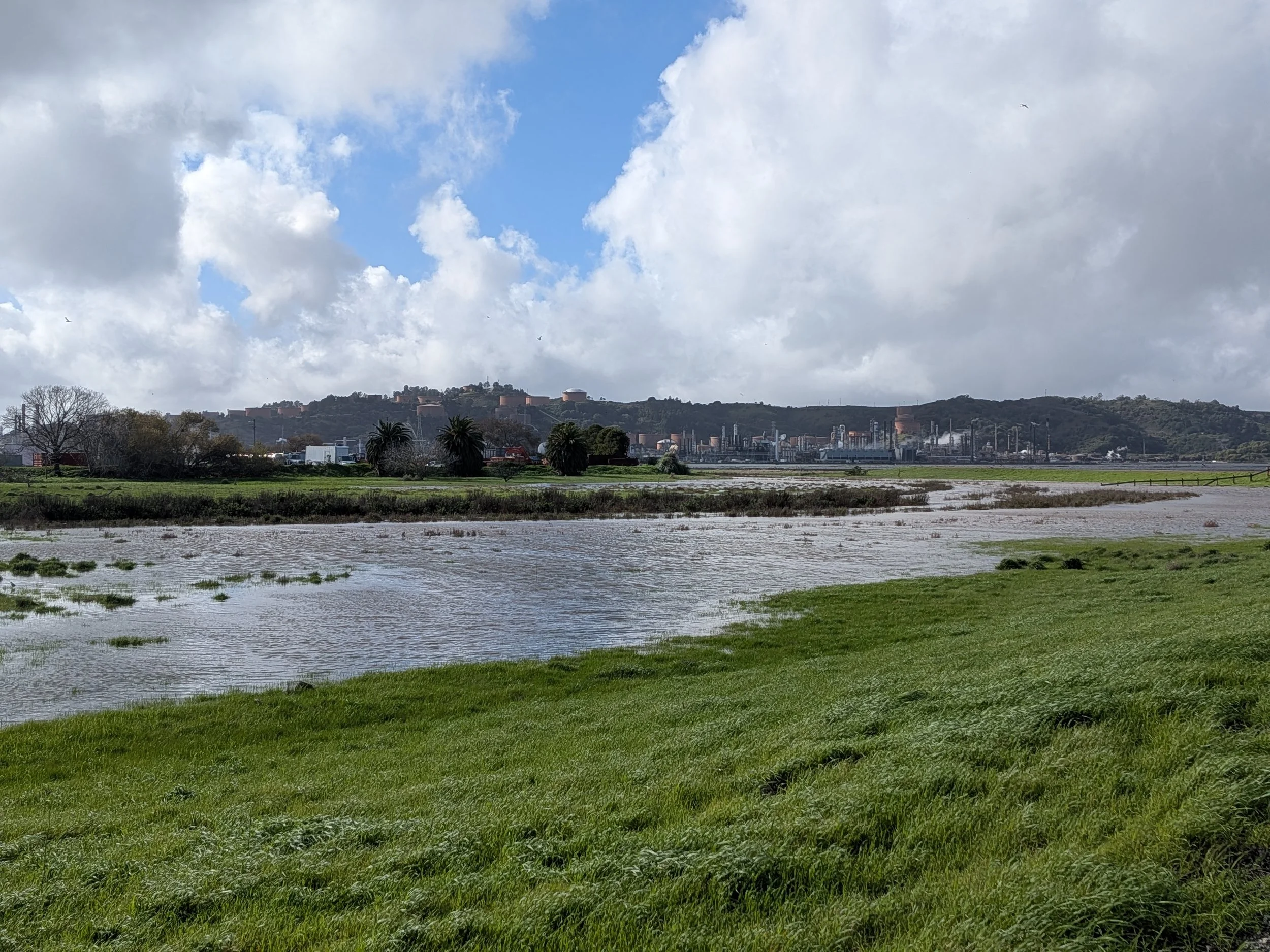
Multi-Stakeholder Facilitation & Collaborative Watershed Planning
Bay Area, California · Wildcat Creek Action Plan & Regional Partnerships
Context
Watershed and climate resilience efforts require coordination across community organizations, public agencies, and regional partners with diverse priorities and roles.
Approach
Convened and supported multi-stakeholder processes that brought together community members, nonprofit organizations, and partners to develop shared goals and collaborative strategies. This included contributing to the Wildcat Creek Action Plan and initiating partnerships to pursue regional climate resilience funding opportunities. The role focused on facilitating dialogue, assembling learning groups, aligning stakeholder priorities, and supporting early-stage collaborative planning.
Impact
Built the capacity of local community members to engage in planning and decision-making processes
Strengthened coordination and relationships among community organizations and partners
Informed design and refinement of watershed action plan strategies through community and stakeholder input
Supported the development of actionable priorities and early implementation pathways for the action plan
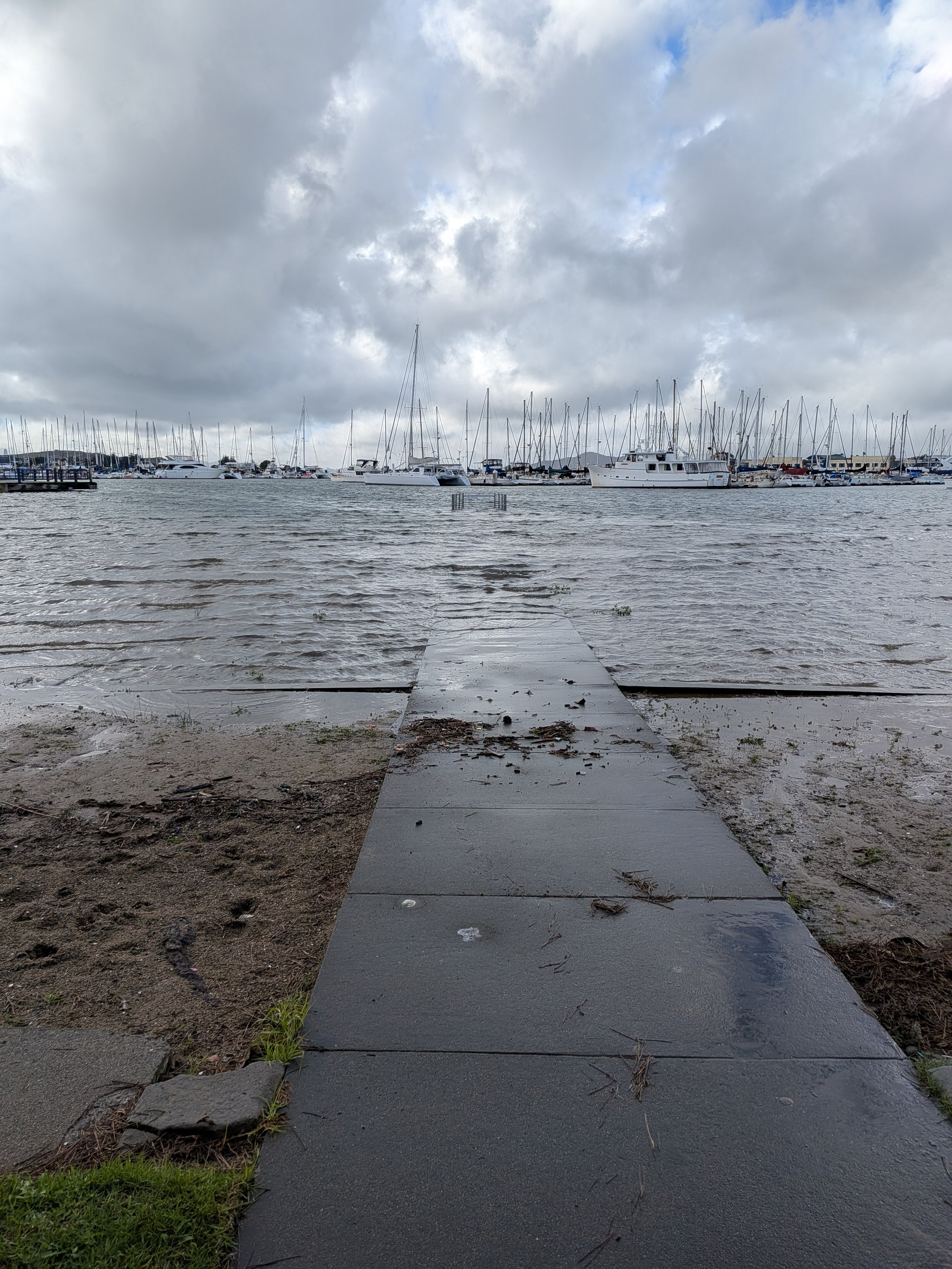
Community-Led Sea-Level Rise Adaptation & Shoreline Resilience Planning
Bay Area, California · Climate Ready Communities & Regional Shoreline Initiatives
Context
Regional agencies and partners are advancing shoreline adaptation efforts to address sea-level rise, flooding, and watershed-scale risks, while ensuring meaningful participation from residents and environmental justice communities.
Approach
Designed and facilitated community engagement processes aligned with regional policies and adaptation planning milestones for the City of Richmond, North Richmond, Contra Costa County, and Hayward (Tribal engagement), bringing together residents, community-based organizations, technical teams, and public agencies. This included participatory workshops, shoreline-based learning activities, and co-designed dialogues that translated complex technical information into accessible formats and supported informed participation.
Impact
Increased community understanding of climate risks and adaptation strategies
Elevated community priorities, including access to nature and flood protection, into planning processes
Strengthened collaboration between agencies, technical teams, and community partners
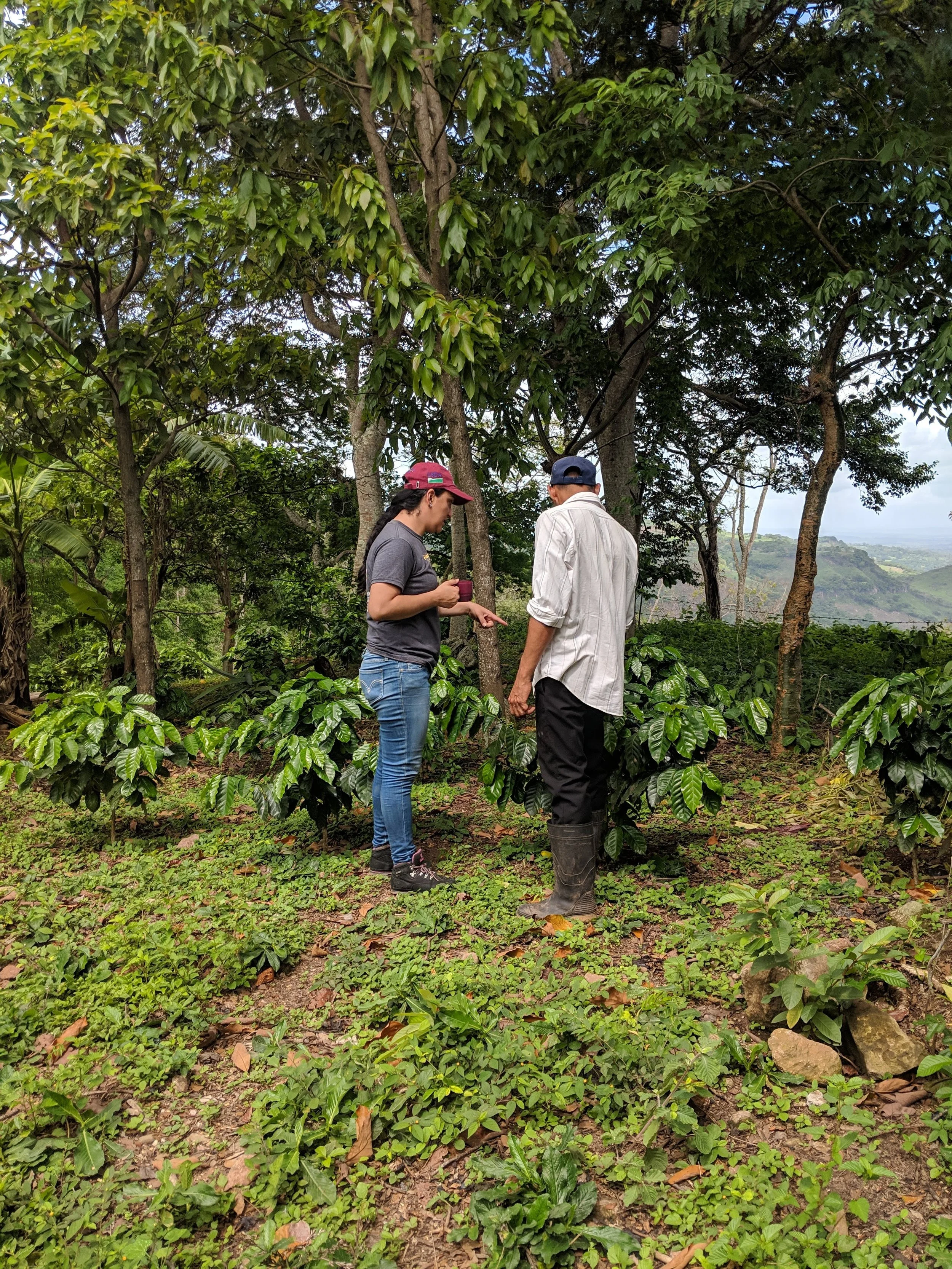
Evaluation of Climate-Smart Agriculture & Gender Integration Programs
Nicaragua · Lutheran World Relief (LWR)
Context
LWR sought to assess the long-term effectiveness of a completed program focused on gender integration, climate-smart agriculture, and cooperative development.
Approach
Led an ex-post evaluation using mixed methods, combining field-based data collection with participatory evaluation processes involving farmers, cooperative leaders, and local partners. Trained and led a 20-person enumerator team and integrated gender, climate resilience, and agricultural performance analysis into the evaluation.
Impact
Provided evidence of program outcomes three years after completion
Assessed the adoption of climate-smart practices and cooperative performance
Delivered actionable recommendations to inform future programming and investment